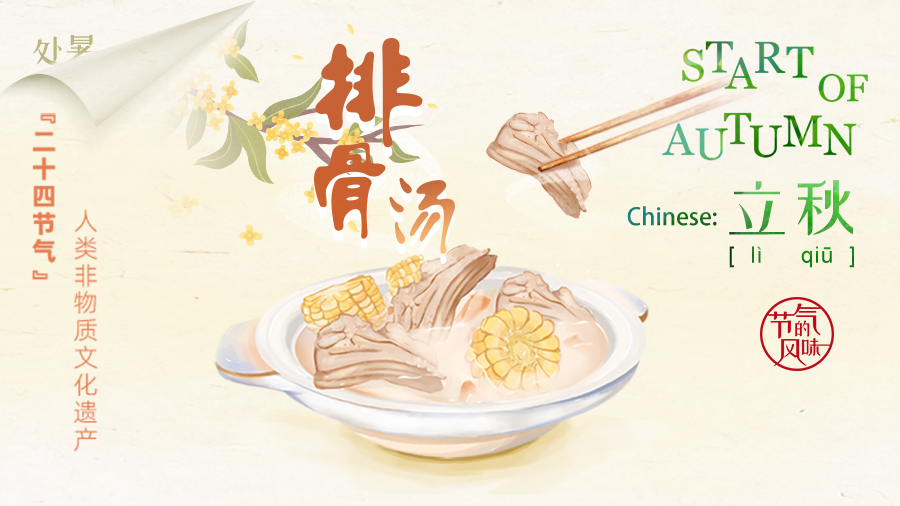
Start of Autumn
Overview
The Start of Autumn, or "Liqiu", one of the 24 solar terms in the traditional Chinese solar calendar, marks the transition from summer to autumn. The Start of Autumn is a time of great significance in China, symbolizing the end of the sweltering summer season and the onset of a fruitful autumn. Historically, the 24 solar terms were created thousands of years ago to aid in agricultural production, guiding farmers with regard to crop cycles and harvests. Despite the advancements in technology, the relevance of solar terms persists today, influencing dietary habits, cultural ceremonies, and even promoting healthy living practices that align with seasonal changes.
Climate and Weather Patterns
The term "Liqiu" embodies the literal transition it signifies. "Li" translates to "beginning" or "commencement," while "qiu" means "autumn." Therefore, Liqiu directly refers to the start of the autumn season. Originating from ancient Chinese culture, the solar term nomenclature was developed to reflect natural phenomena and agricultural cycles, serving a crucial role in the agrarian society of ancient China.
Meteorologically, the Start of Autumn signifies a shift in weather patterns. However, it does not necessarily imply an immediate drop in temperatures. The period following the Start of Autumn is often marked by "Autumn Tiger", characterized by continued hot and humid conditions. This phase can last up to 30 days, with reduced precipitation and intensified heat compared to the preceding Major Heat period. The term "Autumn Tiger" suggests an interim season of sweltering heat before the anticipated cooling of autumn truly sets in.
Cultural Significance and Traditions
The Start of Autumn holds profound cultural significance as it marks a time for reflection, preparation, and celebration. It is a period when people traditionally prepare for the harvest season and engage in various customs that have been passed down through generations. The Start of Autumn is also a time of anticipation and hope, as communities look forward to a bountiful harvest.
The Start of Autumn is a crucial solar term for agricultural communities, signaling the time for harvesting crops. It is often associated with predictions about the harvest based on weather conditions on the day it begins. A common belief is that if it rains on the Start of Autumn, a good harvest is foreseen. Conversely, if it thunders, it might indicate potential challenges for winter crops. The solar term guides farmers in their agricultural activities, informing decisions about crop cultivation and harvest timing.
Several traditional customs are associated with the Start of Autumn. A popular tradition is the practice of "fleshing out," where individuals weigh themselves at the beginning of autumn and compare their weight to that at the start of summer. If they have lost weight during the summer, they indulge in nourishing foods, particularly meats, to regain the lost weight and prepare their bodies for the colder months ahead. In different regions, specific foods are eaten as part of the Start of Autumn customs. For instance, in Hangzhou, people eat peaches and keep the peach stones until New Year's Eve, believing that burning them in the stove can ward off plagues for the year. In Shandong province, people make and eat dumplings, a custom known as "Eating the Autumn," while Yiwu in Zhejiang province has a tradition of eating red beans to prevent dysentery.
Health Practices
The Start of Autumn is celebrated with various festivals and ceremonies that emphasize gratitude for the harvest and hope for the coming season. In some regions, communal activities such as "Touching Autumn" in Yancheng, Jiangsu province, are practiced, where people are allowed to freely pick fruits from gardens, symbolizing generosity and the abundance of the season. Moreover, the consumption of certain foods like watermelons, longans, and gourds marks regional celebrations, each believed to have beneficial effects on health and wellbeing, such as preventing illnesses and ensuring prosperity.
Modern Celebrations and Cultural Activities
The observance of the Start of Autumn varies across different regions in China, with each area having its unique customs and traditions. For example, in Tianjin, eating gourds such as towel gourd, white gourd, and bitter gourd is a tradition believed to prevent diarrhea in autumn and beyond. Each region's customs reflect local agricultural products and cultural beliefs, highlighting the diversity within the broader framework of the solar term. Article reference1. Autumn, a golden time to indulge in the joy of harvest. chinadaily.com.cn. 20242. 24 Solar Terms: 9 things about Start of Autumn. chinadaily.com.cn. 20243. Autumn tiger on the prowl. chinadaily.com.cn. 20224. Seasonal delights to enjoy around Start of Autumn. chinadaily.com.cn. 2021Photo Gallery(5 pictures)CategoriesLifestyleTag24 Solar TermsIntangible Cultural HeritageRelated24 Solar TermsDance of 24 Solar TermsCatalogue1. Overview2. Climate and Weather Patterns3. Cultural Significance and Traditions4. Health Practices5. Modern Celebrations and Cultural Activities- - - []








